
SignaNatura Learning · Free foundation training
Become a Nature Signal Observer
Learn to notice changes in familiar places, distinguish observation from interpretation, and document nature’s changing signals responsibly.
You do not need to be a scientist to notice that something in nature has changed. You need curiosity, attention and a reliable way to record what you observe.
Learn to describe what happened before trying to explain why.
Built for ordinary people, familiar places and real observations.
No forced conclusions, disturbance of nature or exaggerated claims.
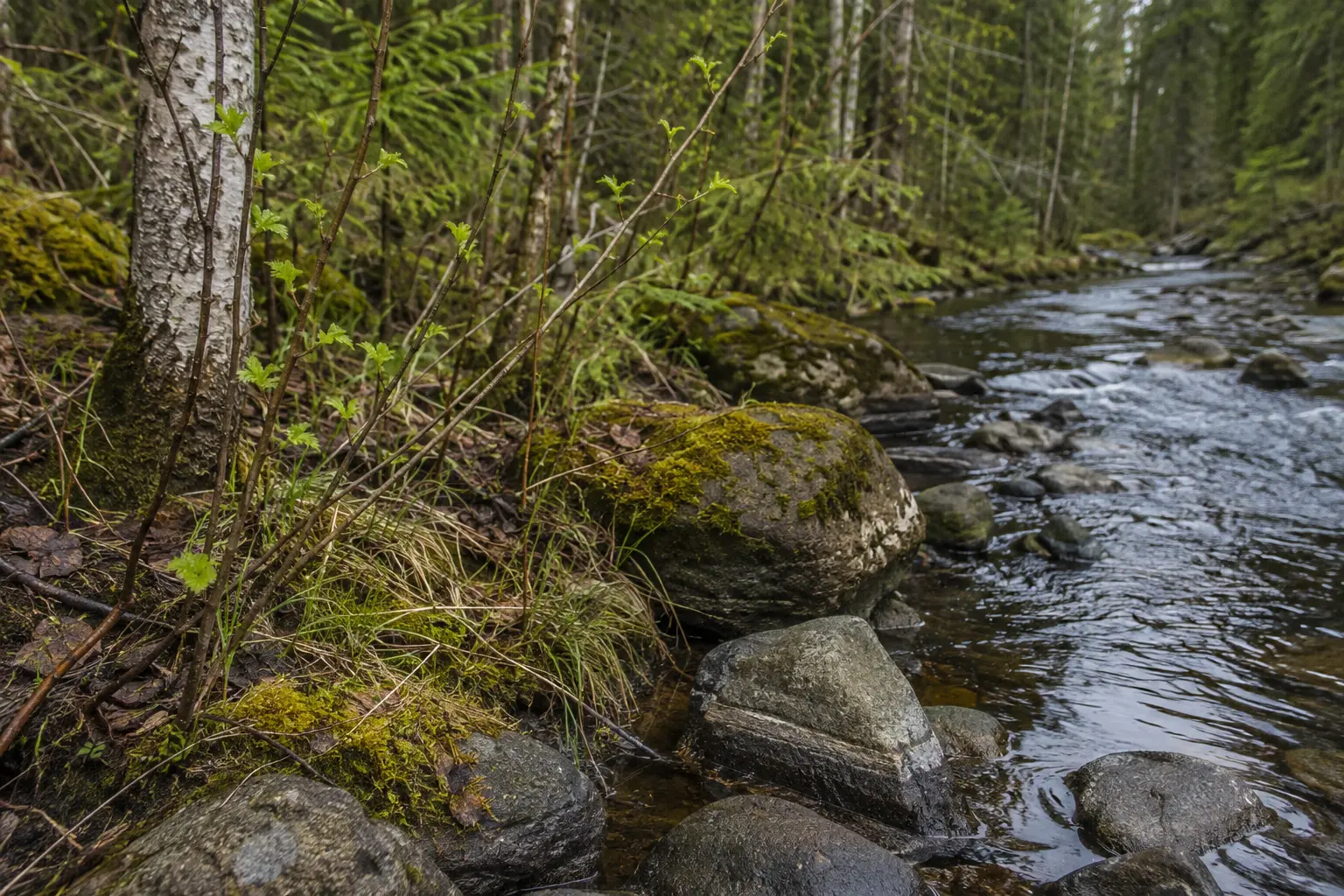
Why this training exists
Nature often changes before we understand why.
Environmental change does not always begin as a large, easily measured event. It may first appear as a familiar species arriving at a different time, fewer insects, unusual behaviour, earlier flowering, a change in water or soil, or the disappearance of a familiar sound.
A single observation does not prove a lasting environmental change. But when an observation is documented carefully—and similar observations accumulate across people, places and times—it may become part of a more meaningful pattern.
Clear and practical learning outcomes
What you will learn
After the training, you will have a repeatable way to notice, describe and document change without turning an uncertain observation into a premature conclusion.
Recognise a possible nature signal
Understand why an unusual event can deserve attention while still remaining uncertain.
Observe familiar places carefully
Use repeated visits and your memory of what is normally present as a responsible comparison point.
Separate observation from interpretation
Distinguish what you noticed, what you think it may mean and what you do not yet know.
Document an observation clearly
Record what, where and when—plus why it seemed unusual and what your comparison is based on.
Observe responsibly
Respect wildlife, private locations, personal safety, sensitive species and the limits of your evidence.
Contribute to a wider network
See how a local observation can complement other observations and help preserve environmental memory.
Important: This training does not teach participants to make scientific conclusions from isolated observations. It teaches careful noticing, transparent uncertainty and systematic documentation.
Inside the training
Six modules. One shared observation method.
The course moves from understanding nature signals to completing your first careful field observation.
Nature Is Always Communicating
How environmental change becomes visible and why small observations can matter.
What Is a Nature Signal?
The difference between an ordinary event, an unusual observation and a possible weak signal.
Learning to Notice
Using sight, sound, smell, repeated visits and local memory to pay closer attention.
Observation or Interpretation?
Describing what was observed before trying to explain the cause.
Documenting a Reliable Observation
Creating a clear, honest and useful observation record with appropriate uncertainty.
Your First Nature Signal Observation
A practical exercise in a familiar place, followed by an optional submission to SignaNatura.
A practical field exercise
Your training continues outside.
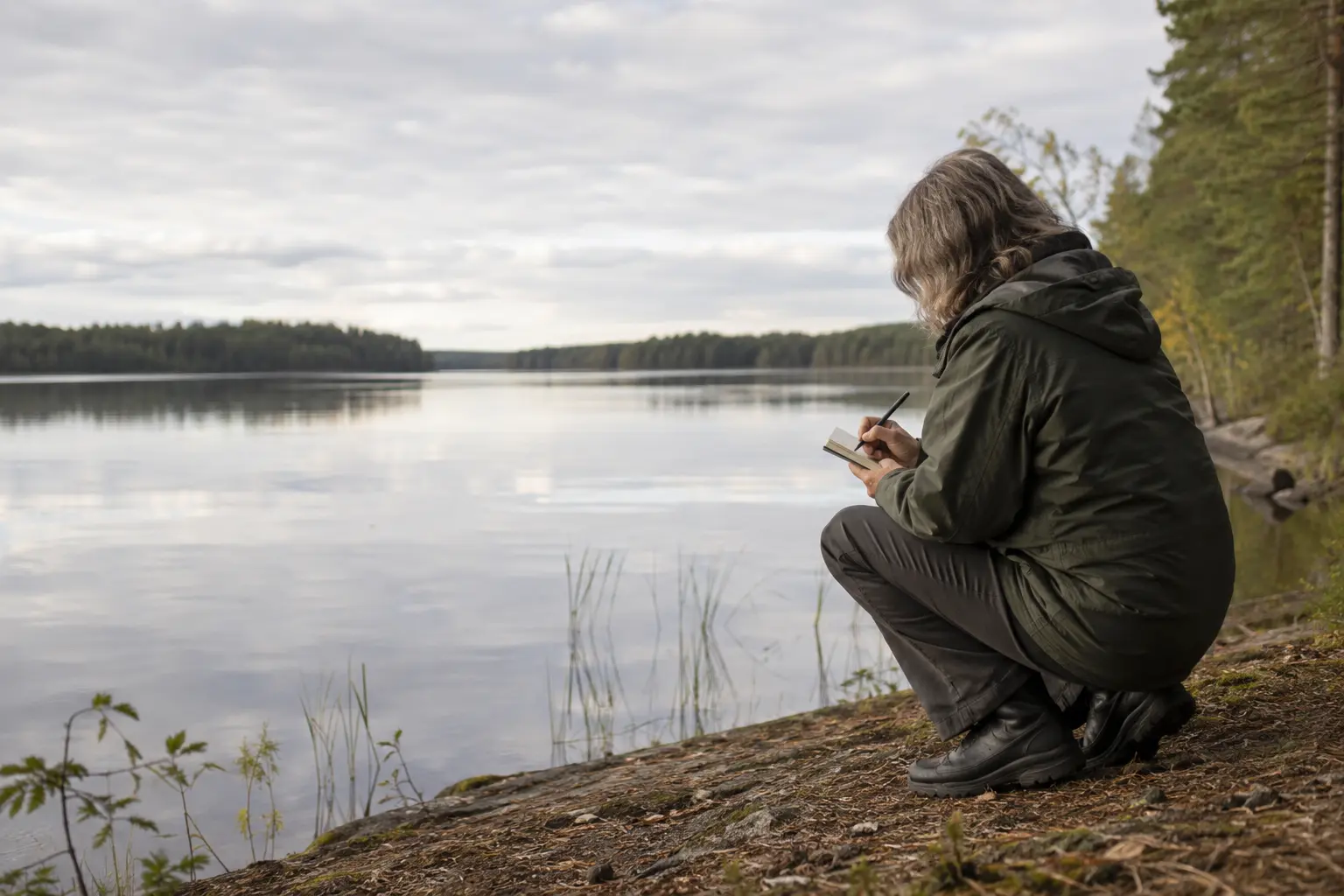
The final exercise turns the course into practice. You choose a place you know, slow down and make one honest observation using the method learned in the training.
- Choose a familiar forest, park, shoreline, field or garden.
- Pause and observe without rushing to find a problem.
- Notice plants, animals, water, weather, soil, sounds and seasonal timing.
- Record one change, absence or unusual detail.
- Separate the observation from your possible explanation.
- If you choose, submit the observation to the SignaNatura Observation Service.
There is no pressure to find something unusual. Learning to observe carefully is already a valuable result.
Who the training is for
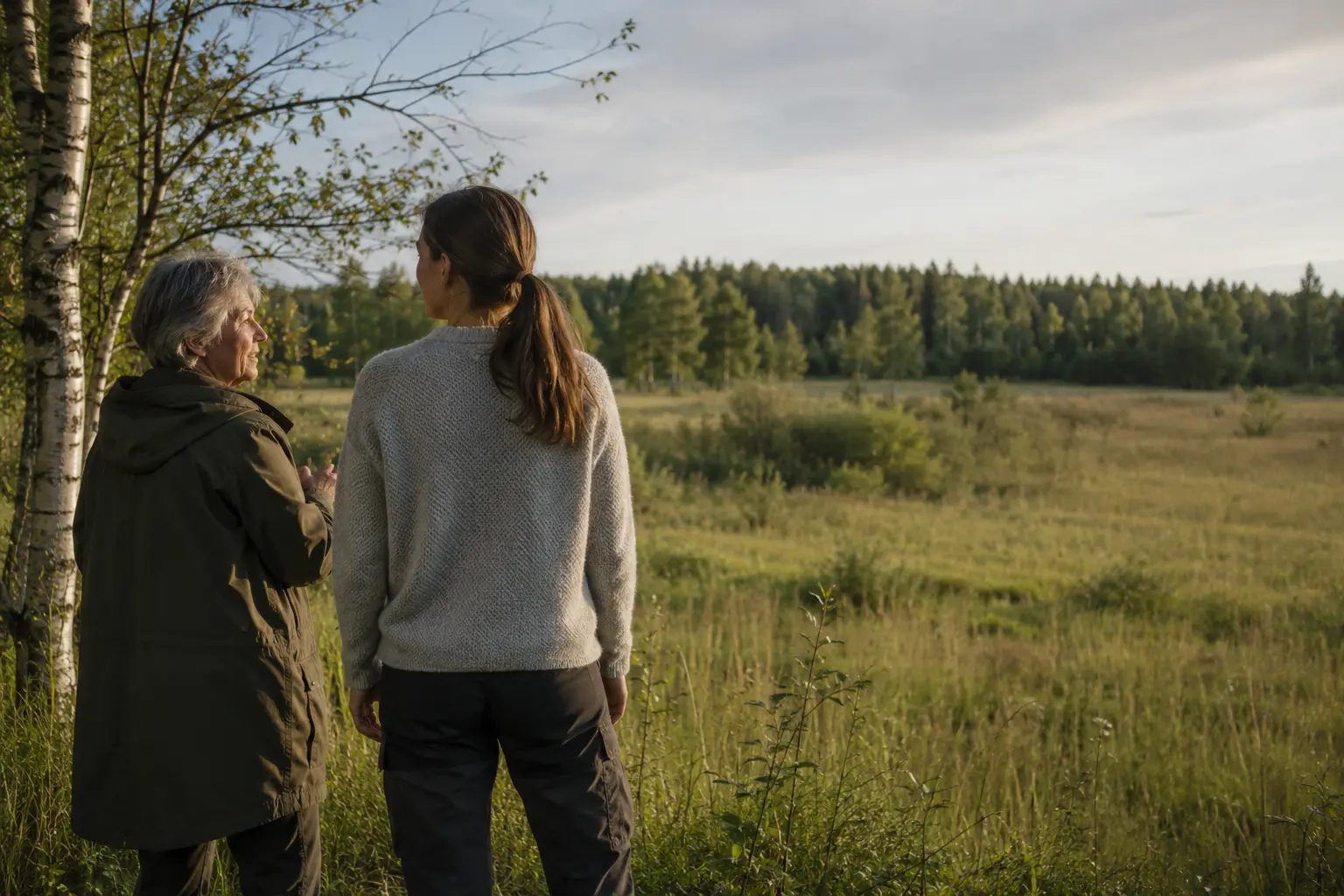
You do not need to be a scientist.
The training is for people who want to pay closer attention to places they know. Long-term local experience can be especially valuable: someone who has walked the same forest, shoreline or field for decades may notice a change that a single visit cannot reveal.
Why become a Nature Signal Observer?
Turn attention into a responsible contribution.
The training gives your experience of nature a practical method and helps preserve knowledge that might otherwise remain undocumented.
Part of the SignaNatura Observation Network
The training is the beginning—not the destination.
SignaNatura is developing an international network based on human observations, environmental memory and responsible documentation. The Observation Service provides a place to record and share what people notice.
Submitted observations are not automatically treated as scientifically verified findings. Developing analysis methods may later help identify recurring observations, regional connections and signals that appear to strengthen over time.
Transparent development: SignaNatura does not claim that artificial intelligence or a completed index currently determines whether an observation represents a genuine environmental change. These methods remain under development.
Begin with one familiar place
The first signal begins with someone who notices.
Step outside. Slow down. Look closely. Listen carefully. Learn how to turn what you notice into a responsible and meaningful observation.
Nature doesn’t shout—it whispers. Let us listen before silence becomes the last signal.